HAMPTON, VA — A new peer-reviewed study published in the Journal of Agriculture and Food Research confirms that water recycled from swine manure lagoons and treated with Pancopia's water and nitrogen management system is safe for pig consumption with results showing improved animal performance compared to conventional well water.
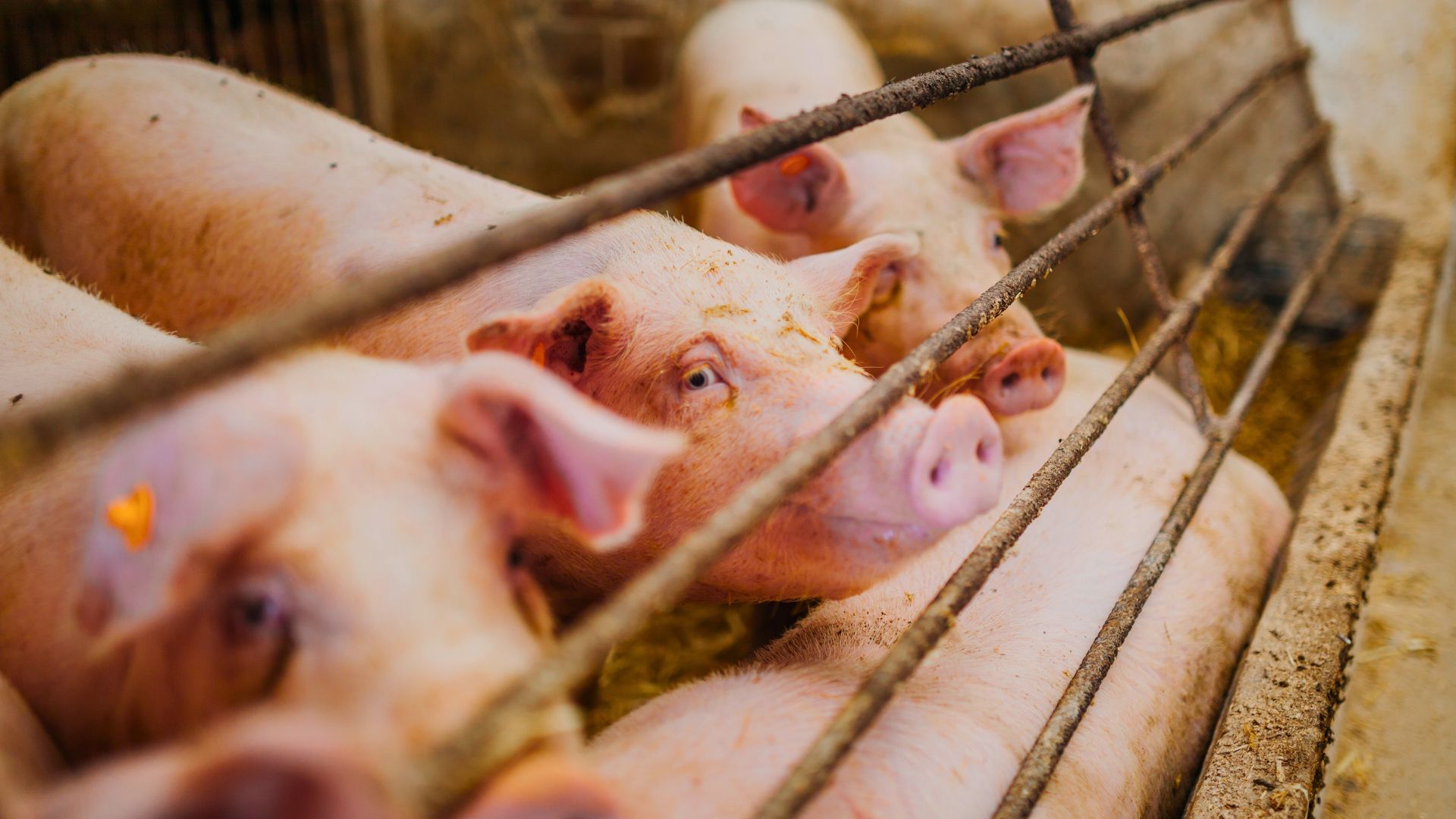
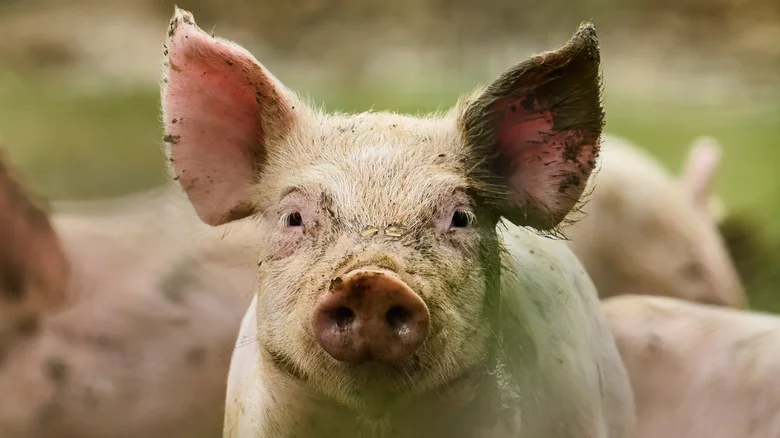
The research, conducted at Virginia Tech's Tidewater Agricultural Research and Extension Center, found that weanling pigs consuming 100% treated recycled water demonstrated significantly better feed conversion efficiency than control groups using standard well water. During the critical first week post-weaning, pigs on recycled water showed 66% greater daily weight gain and 56% better feed conversion efficiency.
"This is exactly the validation the industry needs," said William Cumbie, co-founder of Pancopia LLC. "U.S. swine farms consume over 40 billion gallons of water annually. Our system offers a practical path toward water independence for producers while addressing one of agriculture's most pressing environmental challenges."
This technology traces its origins to research originally developed for NASA's long-duration space missions, where water recycling is mission-critical. Pancopia adapted this biological treatment approach to address the vastly different scale of agricultural operations, where concentrated animal feeding operations produce 5 to 10 times more waste than the entire U.S. human population.
The 28-day trial evaluated 72 pigs across three treatment groups. Animals consuming the treated water showed no adverse health effects, maintained normal fecal consistency scores, and demonstrated hematology and blood chemistry values within normal ranges. The system achieved 85% ammonia conversion in its first stage, with the second stage removing additional nitrogen compounds before final disinfection.
This research was funded by the U.S. Department of Energy Small Business Innovation Research (SBIR) Phase I program (Grant DE-SC0022598). DOE's investment reflects the critical connection between water and energy in American agriculture where water treatment and distribution represent significant energy demands and the agency's commitment to advancing technologies that improve resource efficiency while supporting rural economic development.
With over 3,000 swine lagoons in North Carolina alone and mounting regulatory pressure on the industry, the technology offers producers a dual benefit: reduced freshwater dependence and improved nutrient management.
The full study is available at doi.org/10.1016/j.jafr.2025.102445.
Media Contact:
Pancopia LLC
services@pancopia.com
Hampton, VA
www.pancopia.com