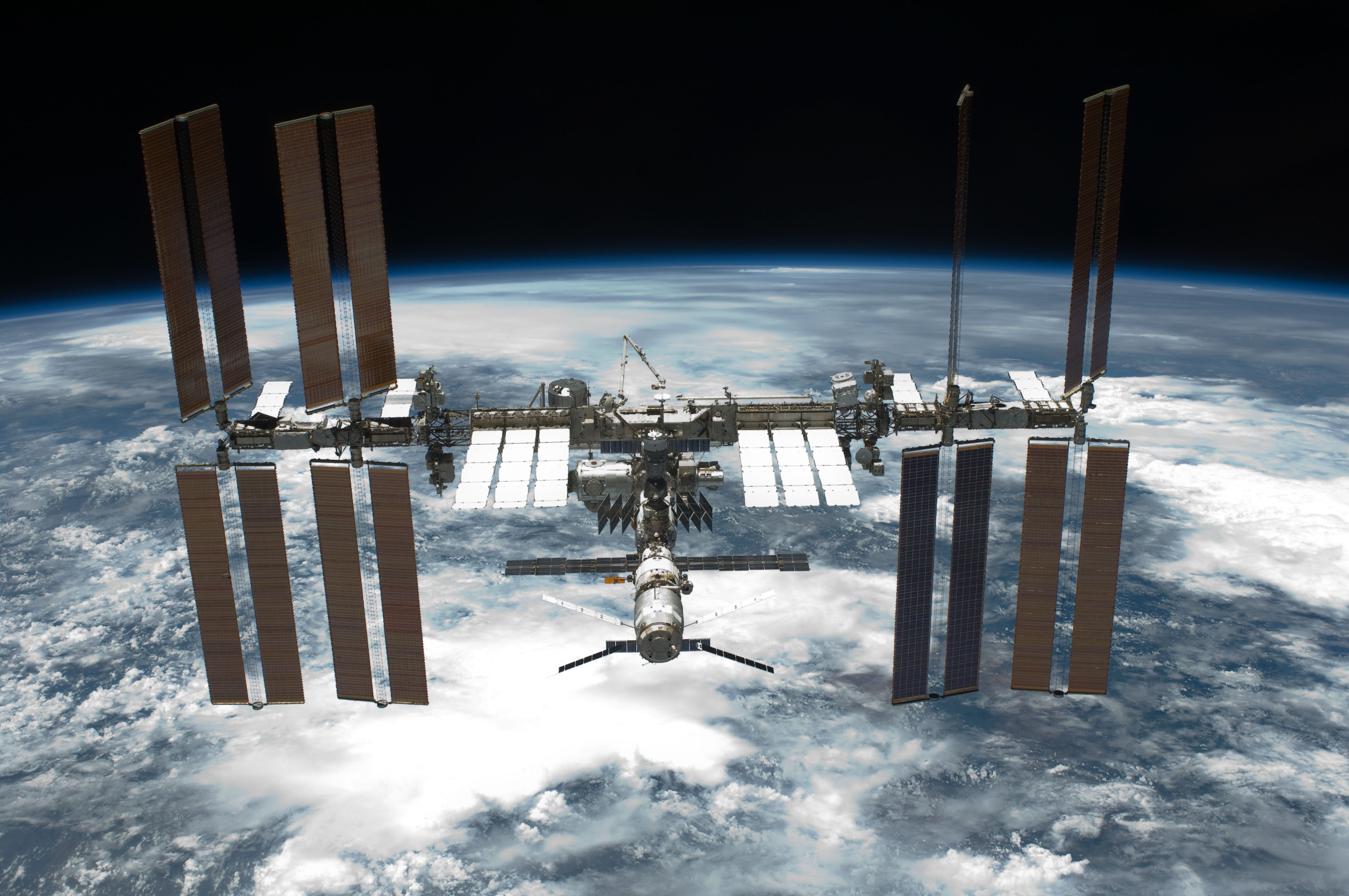
From Earth to space and back again.

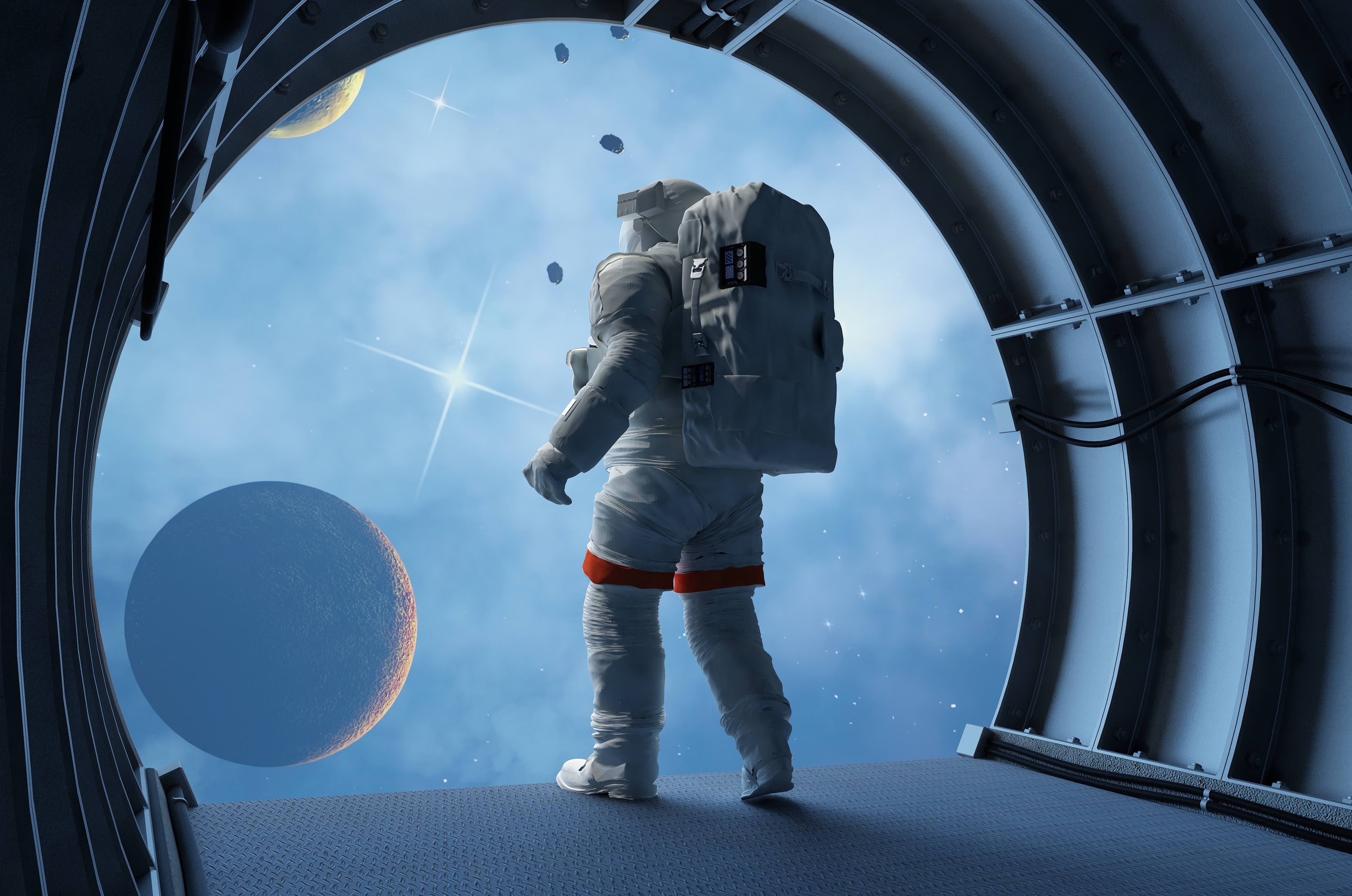
Pancopia began by helping NASA recycle water in space. Today, we use those accelerated natural processes to help animal agriculture operations turn waste into valuable resources.

Our Mission

Profitable water and nutrient

recovery for animal agriculture.

OUR MISSION

Profitably improving the environment.

We use accelerated natural processes to recover water and nutrients directly from animal agriculture. Our mission is simple: improve farm performance, reduce nutrient losses, and build systems that sustain themselves economically. We believe producers adopt solutions faster when those solutions pay for themselves.

OUR VALUES

Science that scales.

Every solution we build is grounded in field data, validated through partnerships, and designed for reliable agricultural use. We believe measurable impact and practical design must move together — and that profit is the strongest incentive for environmental stewardship.
Balancing the cycles that sustain agriculture.

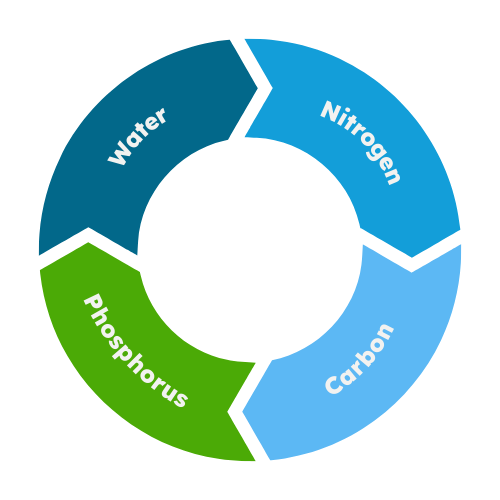
Pancopia focuses on the four environmental cycles that matter most to farms: water, nitrogen, carbon, and phosphorus. Each cycle represents an area where our systems recover resources, reduce losses, and improve on-farm performance. Our work began in space, but its greatest impact is here on Earth — helping animal agriculture turn waste into value.

2014 - 2018 • NASA Origins

Starting in outer space

Pancopia’s work began with NASA research focused on recycling water and nutrients in the closed environment of space. Using accelerated natural processes, those projects demonstrated a low-energy way to remove carbon and nitrogen from wastewater.

It was essential work — but the real opportunity for environmental impact was here on Earth, where animal agriculture produces five to ten times more nutrient waste than humans. That realization laid the foundation for how we approach nutrient recovery today.

2018–2020 · Adapting to agriculture

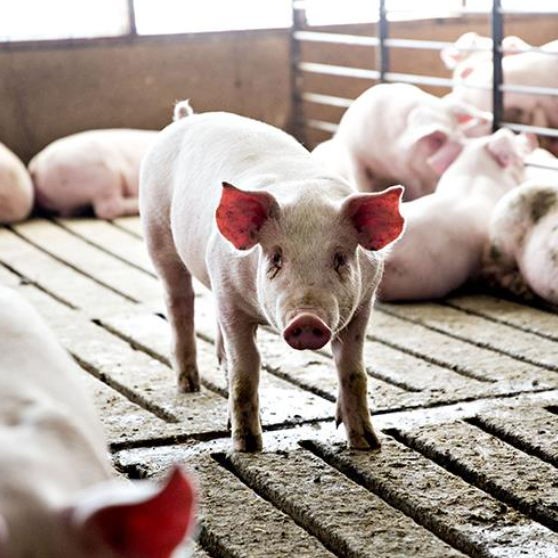
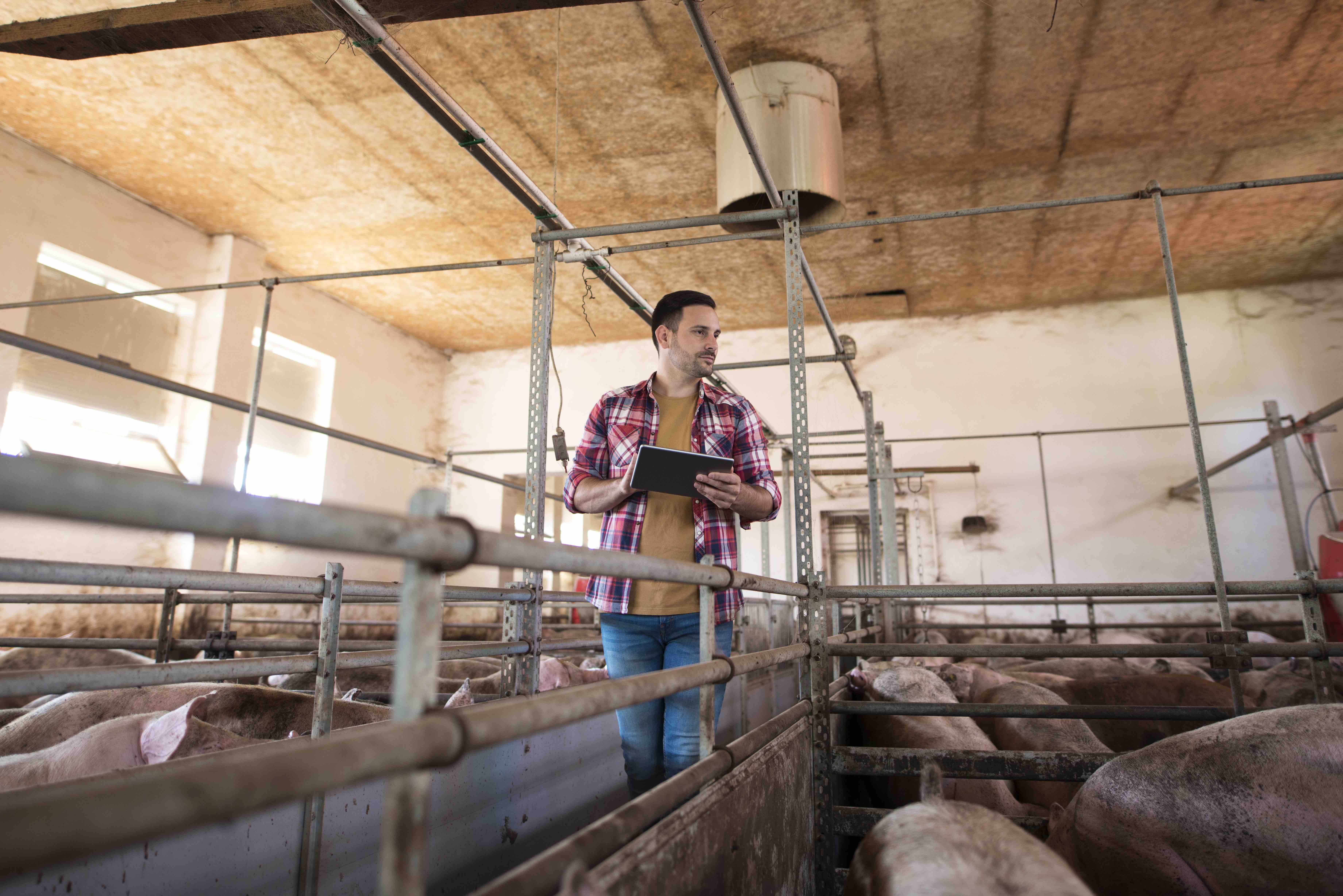
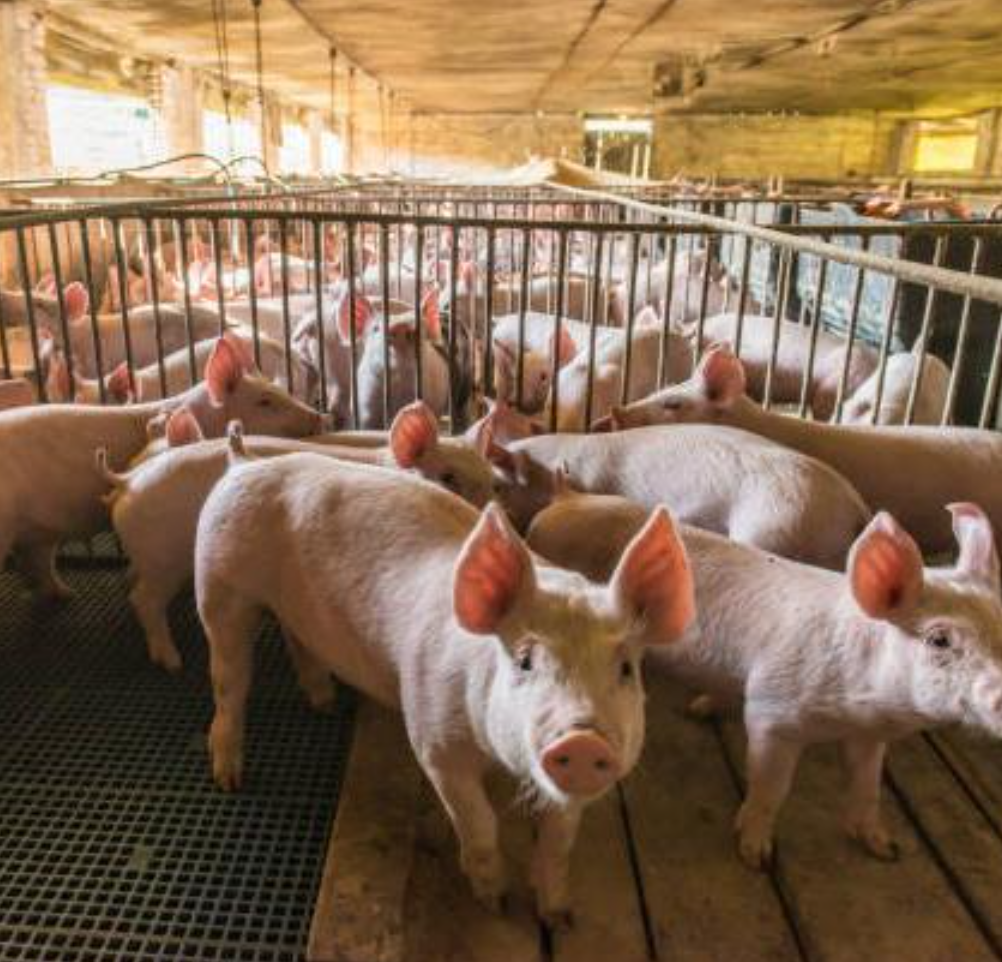
From space stations to swine barns.

As our work expanded, it became clear that the greatest environmental need wasn’t in orbit — it was on the farm. Animal agriculture generates up to ten times more nutrient waste than municipal systems, creating the largest untapped opportunity for environmental improvement. If we wanted our NASA-proven approach to matter, it had to be pointed at the place where waste — and impact — are the highest.

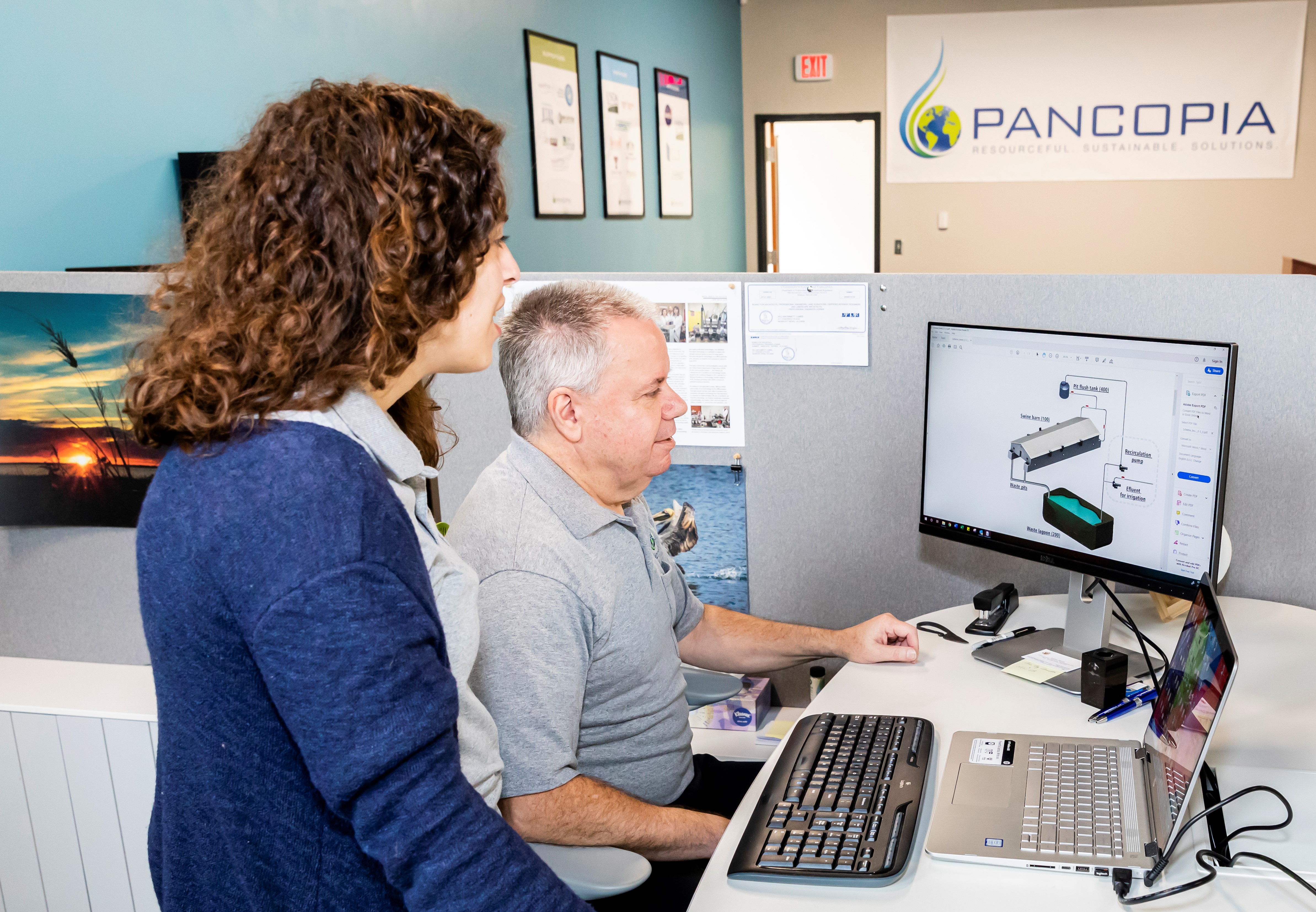
We adapted our space-proven processes to treat nutrient-rich swine wastewater, setting the stage for FreshFlush and showing how farms could recover water and nutrients they once lost.

2020–2022 · Validating at scale

Trials with trusted partners

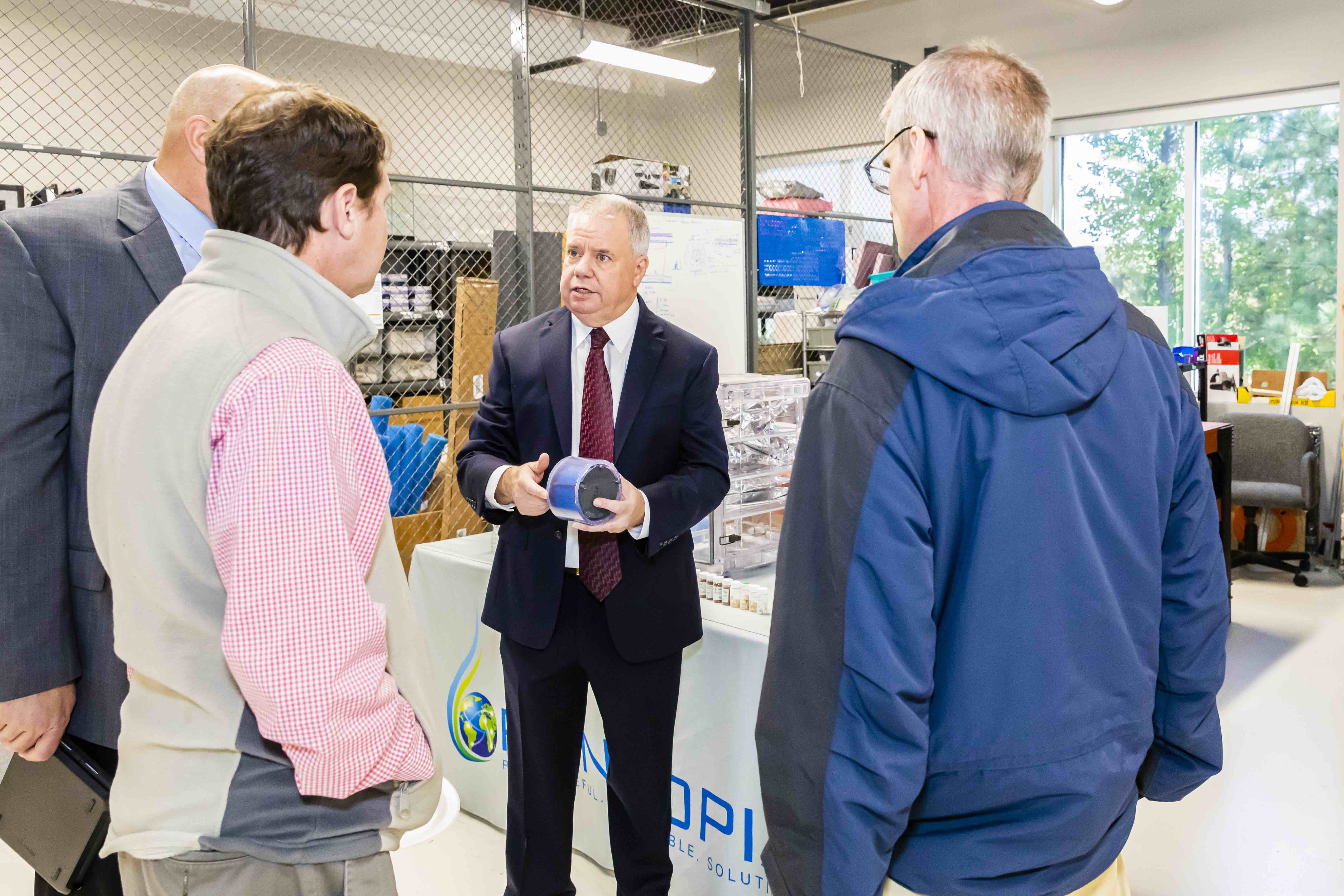
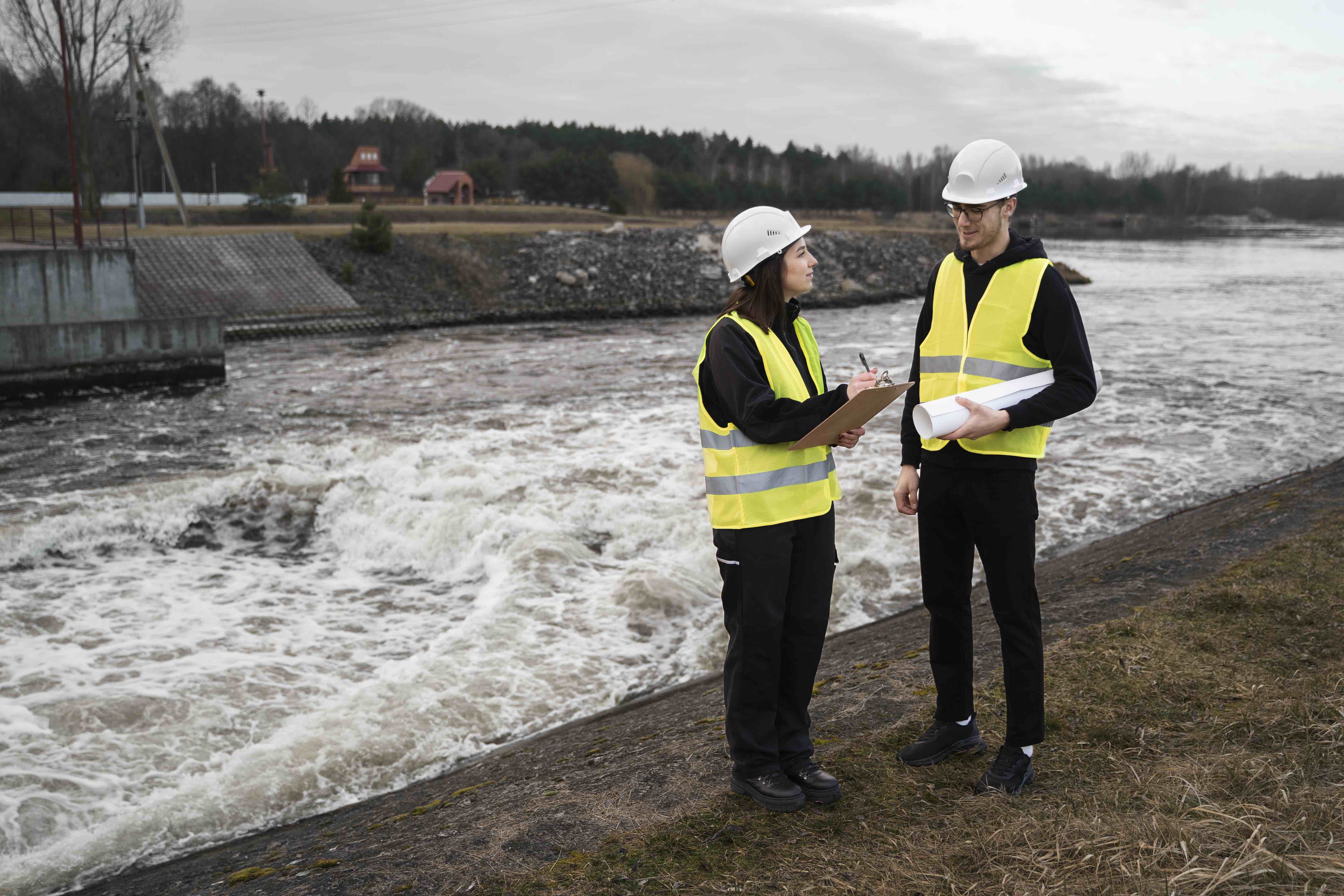
We began validating our systems with the Department of Energy and the Hampton Roads Sanitation District. Those studies demonstrated large-scale nutrient recovery and strong energy efficiency using accelerated natural processes.

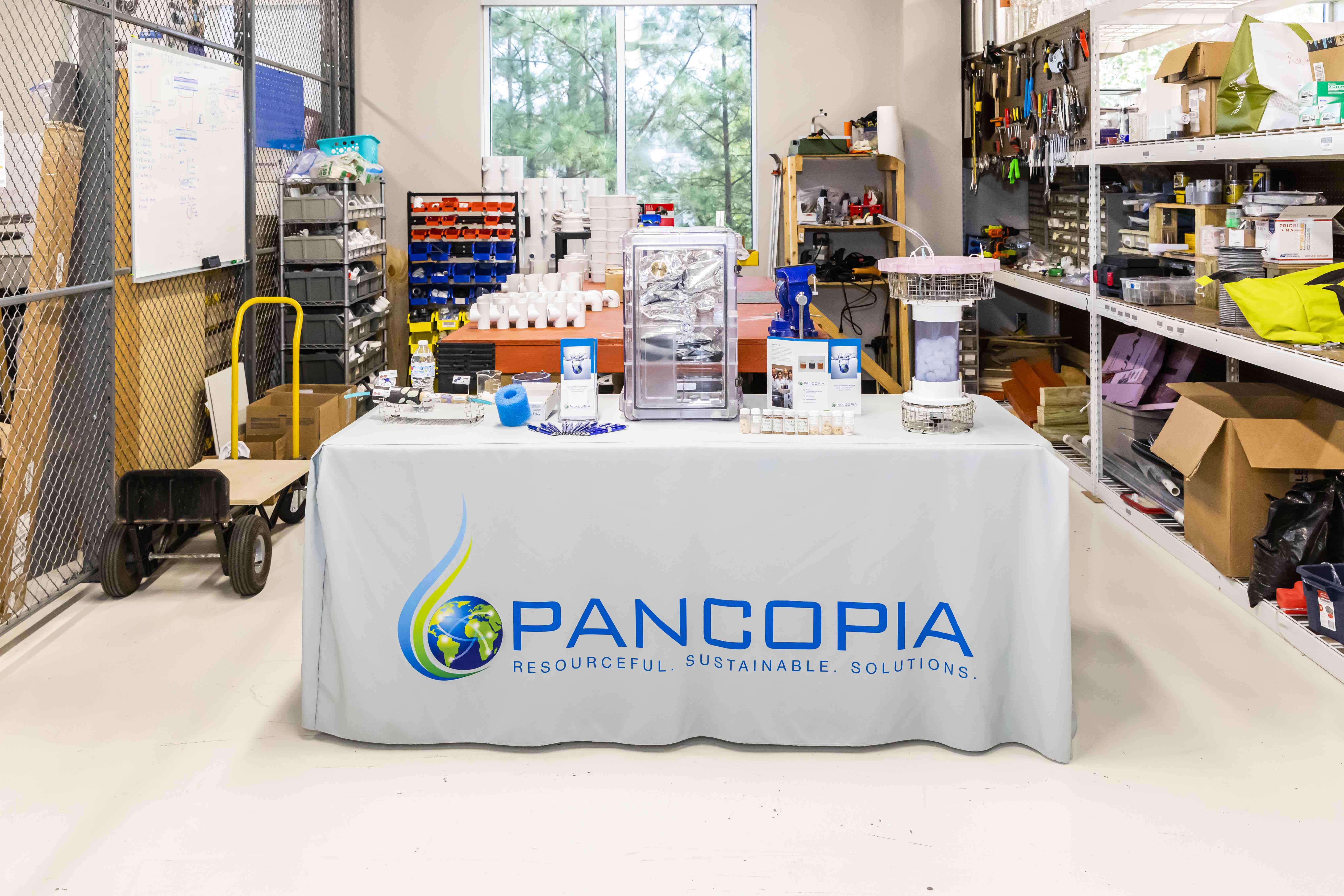
During this time, we expanded our lab and fabrication capabilities to support field deployments and remote monitoring.

2022–Today · FreshFlush in the field

From pilots to commercial systems

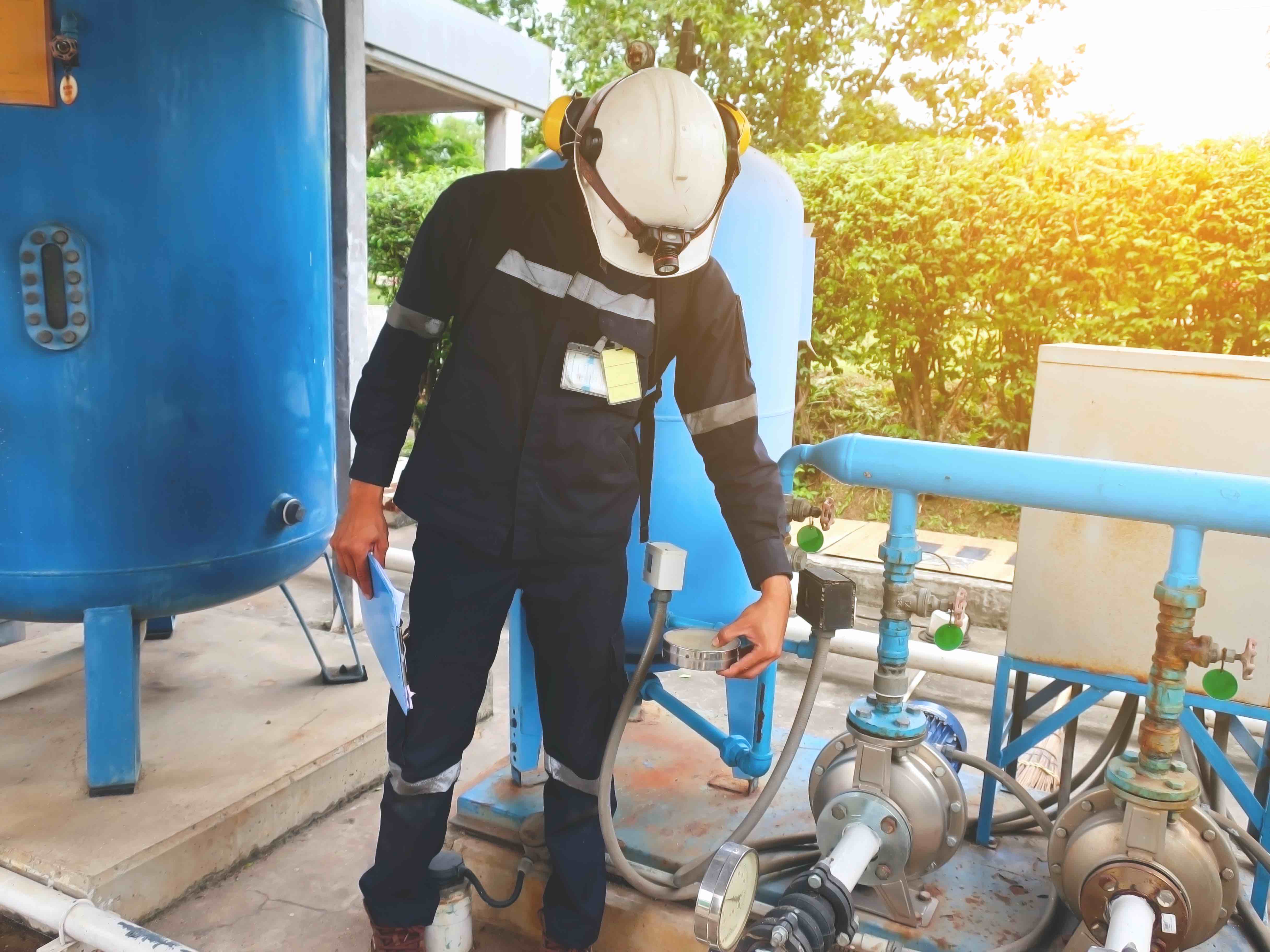
Today, FreshFlush is Pancopia’s first deployable system for the swine industry. It transforms lagoon management by converting recycled wastewater into a useful on-farm asset — reducing odor, lowering in-barn ammonia, improving air quality, and increasing overall farm productivity.

Learn More
Learn More
Arrow
Arrow

Our Values

Turning Science into Systems that Scale

Ten years of research distilled into systems that deliver real-world results.

Nature-Driven Design

We build technology by studying how natural processes already solve problems — efficiently, cleanly, and without waste.

Stewardship First

We focus on protecting land, water, and animals while helping farms remain productive and profitable.

Impact-First Innovation

We go where the environmental need is greatest, applying our science to the challenges that deliver real, measurable improvement.
Profit With Purpose
Profit shows the recovery is real. We build systems that pay for themselves, making environmental improvement practical and scalable.

See how we’re turning waste into value.